Protection
Ceramic Coating vs Wax vs Sealant vs PPF: Which One Does a Cape Town Car Actually Need?
By Rocco van Wyk · Updated 28 September 2026 · 4 min read
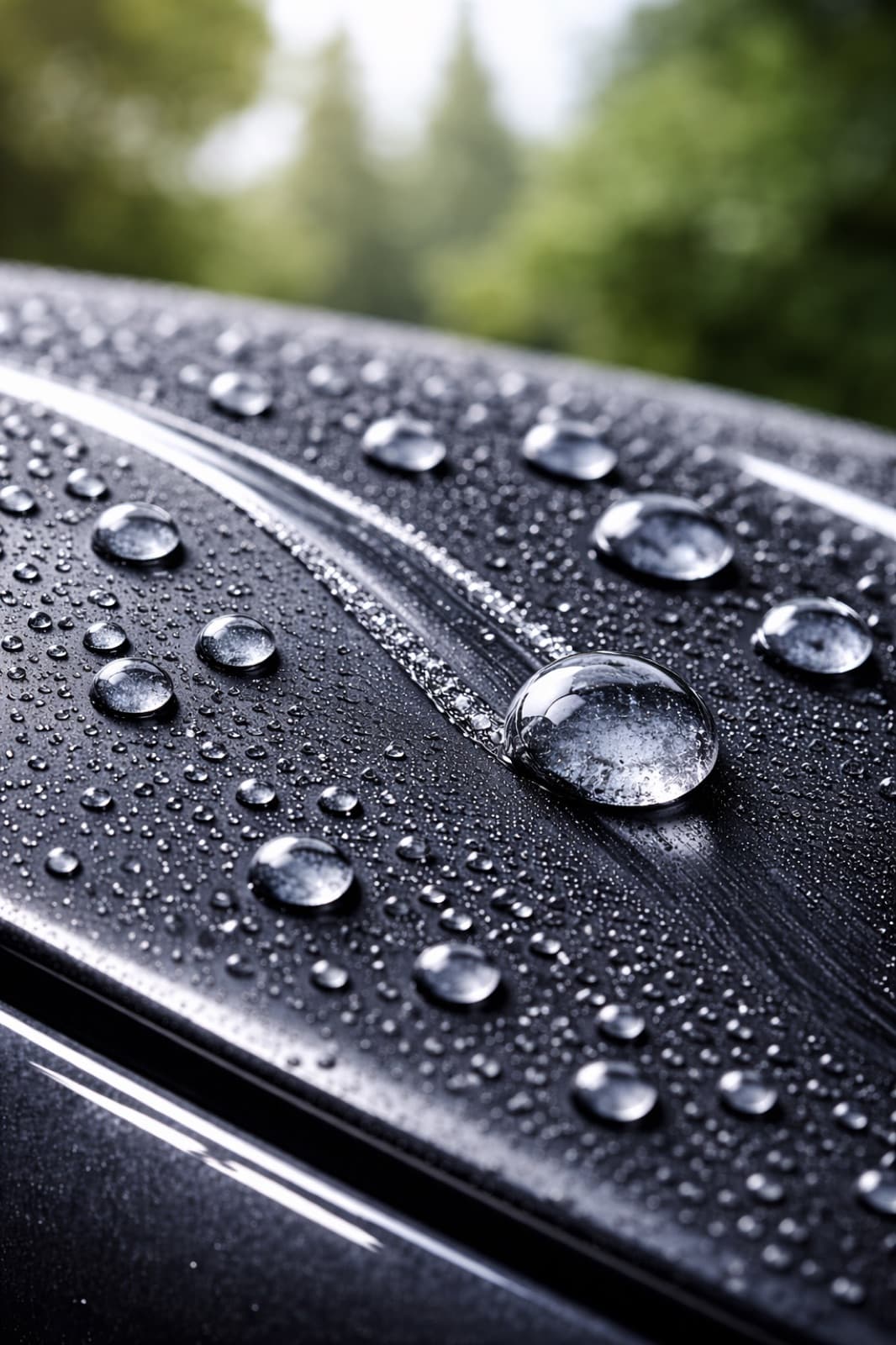
Wax, paint sealant, ceramic coating and paint protection film are four different levels of paint protection, ranging from about six weeks of gloss to ten years of physical impact resistance. Wax is cosmetic and temporary. Sealant is synthetic and lasts a season. Ceramic coating is a semi-permanent chemical layer lasting one to five years. PPF is a physical urethane film and the only option that stops stone chips.
Most of the confusion in this category comes from products being sold as if they compete with each other. They do not, really. They sit on a ladder, and the right rung depends on what the car is worth to you, how long you are keeping it, and where it sleeps at night.
The four options compared
| Carnauba wax | Paint sealant | Ceramic coating | Paint protection film | |
|---|---|---|---|---|
| What it is | Natural wax layer | Synthetic polymer layer | Silica-based semi-permanent layer | Clear urethane film |
| Lasts | 6–10 weeks | 4–6 months | 1–5 years | 5–10 years |
| Typical cost | R400 – R900 | R800 – R1 500 | R1 200 – R5 500 | R8 000 – R60 000+ |
| Gloss | Warm, deep | Sharp, reflective | Hard, glassy | Invisible when done well |
| Water behaviour | Beads, fades quickly | Beads well | Strongly hydrophobic | Depends on topcoat |
| Chemical resistance | Low | Moderate | High | High |
| Stops stone chips | No | No | No | Yes |
| Self-heals scratches | No | No | No | Light ones, with heat |
| Best for | Show cars, garage queens | Cars being sold, budget protection | Daily drivers, coastal cars, long-term keepers | New and high-value cars, front-end impact zones |
When is wax the right choice?
Wax is worth it when appearance matters more than protection and you enjoy doing it. Carnauba gives a warmth and depth that synthetic products struggle to match, which is why show cars still get waxed. For a car that lives outside in Cape Town, though, wax is a losing battle: UV and heat break it down quickly, and a coastal car can strip a wax layer in weeks.
When is a sealant enough?
A paint sealant is the sensible middle option for two situations. First, a car being sold in the next six months — it presents beautifully for a fraction of a coating's cost. Second, a garaged low-mileage car, where two applications a year deliver most of what a coating would.
When does ceramic coating make sense?
Ceramic coating makes sense when you are keeping the car longer than two years and it is parked outdoors. The coating creates a hard, hydrophobic, UV-resistant layer bonded to the clear coat, so contamination sits on top instead of bonding to the paint and releases with far less physical contact during washing.
That last point is the one that gets undersold. Most of the fine scratching on a car's paint is inflicted during washing, not by the environment. Anything that lets dirt release with less scrubbing is protecting the paint twice over.
For Cape Town specifically, the UV and salt resistance matters. Airborne salt attracts and holds moisture against surfaces, and horizontal panels — bonnet, roof, boot lid — take both the salt and the worst of the sun, which is why they dull years before the doors do. A coating is a sacrificial barrier on exactly those surfaces. For what each durability costs, see the ceramic coating price guide.
When is PPF the only answer?
If the concern is stone chips, film is the only product on this list that does anything about it. Nothing chemical stops a stone at 120 km/h on the N7. Film is usually applied to the impact zones — front bumper, bonnet leading edge, mirrors, headlights — rather than the whole car, which keeps it in the R8 000 to R15 000 range instead of five figures.
Film and coating are not alternatives. The common approach on a valuable car is film on the impact zones and ceramic coating over everything, film included, so the whole car behaves the same when washed.
What should I actually choose?
| Your situation | Sensible choice |
|---|---|
| New car, keeping it 5+ years | Ceramic coating now, PPF on the front end if budget allows |
| Three-year-old daily driver, parked outside | Paint correction, then a 3-year ceramic coating |
| Selling within six months | Full detail and a sealant |
| Garaged weekend car | Wax or sealant, your preference |
| Parked within 2 km of the ocean | Ceramic coating, and wash it fortnightly regardless |
| High-value or performance car doing highway kilometres | PPF on impact zones plus ceramic over the top |
Foambox's ceramic coating and PPF packages are listed with prices on the services page.
Frequently asked questions
Can you wax over a ceramic coating?
You can, but it works against you. Wax sits on top of the coating, masks its hydrophobic behaviour and wears off unevenly. If a coated car needs a boost, use a ceramic-compatible topper rather than wax.
Is ceramic coating better than PPF?
They protect against different things. Coating handles chemical contamination, UV and washing wear. Film handles physical impact. Neither replaces the other, which is why they are frequently combined.
How long does wax last on a car parked outside in Cape Town?
Realistically six to eight weeks in summer, shorter on a car parked near the coast or in full sun. Heat and UV are what break wax down, and both are abundant here.
Does a ceramic coating need to be removed before a new one is applied?
Yes. A degraded coating must be polished off before a fresh one can bond. This is a small job on a maintained car and a large one on a neglected one, and it is why the second coating on the same car is sometimes quoted higher than the first.