Care
The Cape Town Car Care Calendar: Protecting Paint Through Southeaster Season and Winter Rain
By Rocco van Wyk · Updated 28 September 2026 · 3 min read
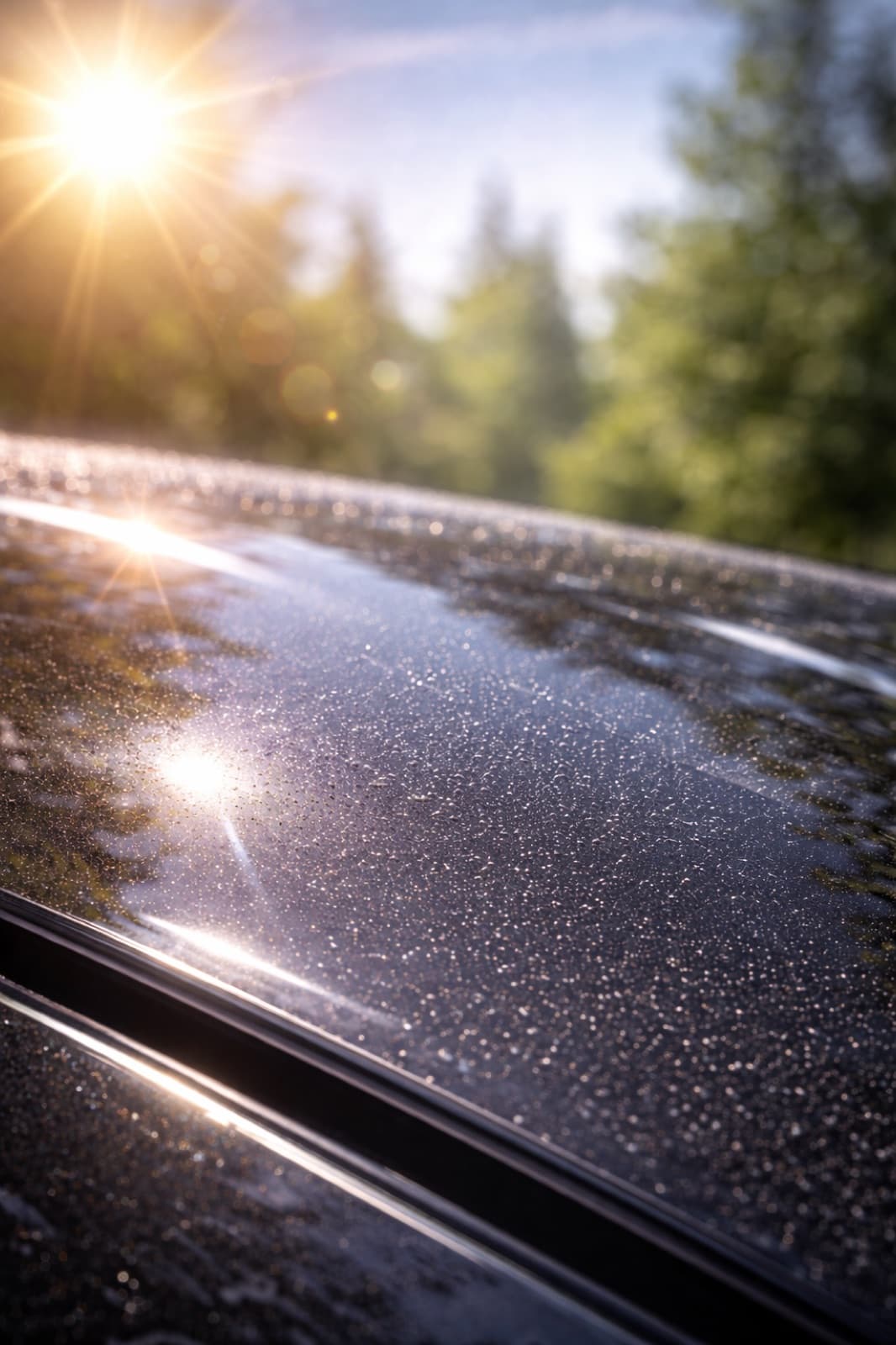
Cape Town's two seasons damage cars in opposite ways. From roughly November to March, strong UV and the southeaster wind combine dust abrasion with clear coat degradation. From May to August, persistent rain, damp and road grime drive contamination and corrosion. The right approach is protection applied going into summer and decontamination coming out of winter.
Most detailing advice online is written for the northern hemisphere, where the enemy is road salt in January. Cape Town's calendar is different, and the timing of a detail matters more than people think.
Summer: November to March
What the car is up against
Two things. UV intensity is high and sustained, and it degrades clear coat and dashboard plastics steadily rather than dramatically. And the southeaster carries fine sand and dust at speed — a car parked outside in a strong blow is being lightly sandblasted, which is why cars that live on the West Coast strip or in wind-funnelled areas pick up marring faster than their owners can explain.
What to do about it
- Get protection on before the season, not during it. October is the ideal month for a ceramic coating or a fresh sealant. A protected car goes into summer with a sacrificial UV-resistant layer already cured.
- Never wash in direct sun. Water evaporates on the panel before it can be dried, and Cape Town's water leaves mineral deposits that etch into warm clear coat. Early morning or late afternoon, or in shade.
- Rinse more often, touch less. On a dusty car, a pre-wash rinse is not optional — wiping a wind-dusted panel with a mitt drags abrasive particles across the paint.
- Protect the interior too. Sun through the windscreen degrades dashboard plastics and leather. A windscreen shade is the cheapest protection in car care, and leather needs conditioning going into summer, not after it has dried out.
- Watch for the seasonal hazards: bird droppings bake on faster in heat, and tree sap from summer growth bonds hard. Both need removing within a day or two.
Winter: May to August
What the car is up against
Rain is not clean. It picks up airborne pollutants and deposits them on the car, and standing damp gives corrosion the conditions it wants. Road grime and brake dust bond to wheels and lower panels far more aggressively in the wet. And because cars look "clean" in winter rain, most people wash them less — which is exactly backwards.
What to do about it
- Do not skip washes because it is raining. Rain deposits contamination; it does not remove it. Fortnightly washing through winter is the minimum.
- Prioritise wheels and arches. This is where brake dust, grime and moisture collect and where corrosion starts.
- Dry properly. Water trapped in door shuts, mirror housings and boot seals is where mould and corrosion begin. Winter interiors also need vent and carpet attention — damp carpets are the main cause of that musty smell.
- Consider a glass coating. A hydrophobic windscreen coating is a genuine safety improvement in Cape Town winter rain, not just a cosmetic one.
- Check protection is still working. If water stops beading, the coating or sealant has degraded and the paint is exposed for the rest of the season.
The calendar at a glance
| Period | Main threat | What to book |
|---|---|---|
| September – October | Transition; winter contamination still bonded | Full detail with decontamination. Correction now if needed, then coating before summer. |
| November – December | UV, wind-borne dust, holiday road trips | Maintenance washes, interior protection, glass treatment before travelling |
| January – February | Peak UV and southeaster | Fortnightly washes; deal with bird droppings and sap within 48 hours |
| March – April | Accumulated summer damage | Second full detail. Assess whether protection survived summer. |
| May – August | Rain, damp, road grime | Fortnightly washes, wheel and arch focus, glass coating, interior damp control |
The two appointments that matter most
If the budget only allows two professional visits a year, make them early spring and early autumn. The spring visit strips winter's bonded contamination and applies protection ahead of the hard season. The autumn visit removes what summer put on and gets the car into winter with its protection intact. Everything else is maintenance you can do yourself with a hose, two buckets and a decent mitt.
Coastal car? Read what salt air does to paint.
Frequently asked questions
Does rain damage car paint?
Rain itself does not, but what it leaves behind does. Rainwater carries airborne contamination, and when it dries on paint it leaves deposits that bond and eventually etch. The same applies to sprinkler water and borehole water, which are often high in dissolved minerals.
When is the best time of year to get a ceramic coating in Cape Town?
Spring, so the coating is fully cured before peak UV and windy season. Coatings need a controlled environment and a dry cure period, which is easier to guarantee outside the wettest months.
Is it bad to wash a car in the sun?
Yes. Water and shampoo dry on hot panels before they can be rinsed and dried, leaving mineral spots that etch into warm clear coat. Wash early, late, or in shade.
How do I stop the southeaster from scratching my paint?
You cannot stop the dust landing, but you can stop it scratching. Never wipe a dusty car dry, always pre-wash with water or foam first, and keep a coating on the paint so particles sit on the coating rather than keying into the clear coat.